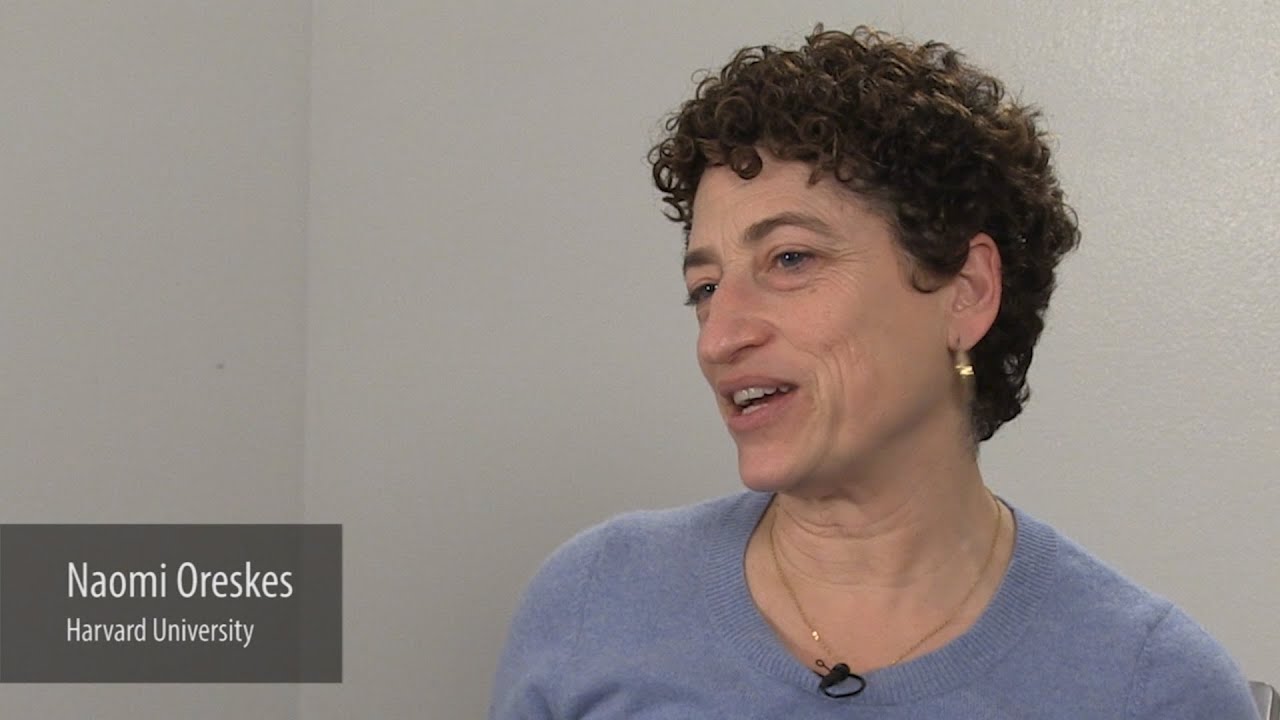
Naomi Oreskes: Unmasking the Sickness Attacking Scientific Truth
In an age where information is abundant yet truth often feels elusive, the foundational pillars of scientific knowledge face unprecedented attacks. Scientific findings, especially those that challenge powerful economic or political interests, are systematically undermined, creating a pervasive atmosphere of doubt. At the forefront of exposing this dangerous trend is Harvard Professor and acclaimed science historian, Naomi Oreskes. Her extensive research and personal experiences reveal a disturbing pattern that, left unchecked, allows doubt to metastasize into a debilitating societal illness – a true
Smh Krankheit.
Oreskes' work, particularly her seminal book "Merchants of Doubt" co-authored with Erik Conway, meticulously documents how coordinated campaigns have sought to discredit scientists and sow confusion. From climate change to the dangers of tobacco smoke, the playbook remains strikingly similar: attack the science, attack the scientists, and obscure the truth. In the fragmented media landscape of the internet age, the opportunities for such campaigns are greater than ever, transforming what should be productive scientific debate into a battleground for manufactured skepticism.
Naomi Oreskes: A Sentinel Against Manufactured Doubt
Naomi Oreskes' journey into unmasking these attacks began long before the current cacophony of online disinformation. Early in her career, she meticulously reviewed over 900 scientific papers on climate change, concluding in 2004 that there was an overwhelming scientific consensus on human-induced global warming. This finding, instead of being accepted, became a magnet for vitriolic attacks, demonstrating firsthand the insidious nature of what she would later term the "merchants of doubt."
Her research, driven by a commitment to historical accuracy, revealed that the strategies employed to deny climate change were not new. They mirrored campaigns used decades earlier to obscure the link between tobacco and cancer, acid rain, and the ozone hole. These campaigns, often funded by industries whose profits were threatened by scientific findings, exploited the public's trust in scientific debate by creating an illusion of controversy where none existed. Oreskes, through her rigorous historical analysis, became a crucial voice, explaining the mechanisms by which doubt is not just naturally occurring but often meticulously engineered. Her work provides an essential historical context, allowing us to understand the roots of the current crisis in scientific communication.
The Anatomy of a Smh Krankheit: How Doubt Becomes a Disease
The systematic assault on scientific truth, as chronicled by Oreskes, reveals a deep societal affliction that we might accurately term the "
Smh Krankheit." This isn't a physical ailment, but a virulent societal malady (the "Krankheit") of manufactured doubt and harmful skepticism, making us "shake our heads" (SMH) in disbelief at the systematic erosion of rational discourse. It manifests through several key tactics:
- Discrediting Researchers: Personal attacks, questioning motives, and undermining credentials are common. Oreskes herself lives this reality, having been under attack for years. This led her to cease applying for government grants about a decade ago, long before the Trump administration, to protect her work from politically motivated scrutiny.
- Weaponizing Transparency Laws: Right-wing activists have exploited public information laws to harass researchers, demanding extensive documentation that sidetracks scientists from their actual work. Oreskes' co-author, Erik Conway, uses separate laptops and phones for their collaborations to safeguard his work at NASA from such intrusion.
- Sowing General Doubt: The goal isn't necessarily to prove the science wrong, but to foster enough uncertainty to paralyze action. If people believe there's still a debate, they're less likely to support policies based on scientific consensus.
- Destroying Productive Debates: By framing scientific findings as ideological rather than empirical, these campaigns transform academic discourse into political battles, making genuine progress nearly impossible.
- Targeting Vulnerable Research: Oreskes notes that research into disinformation itself, and broader studies on propaganda, are often the first to face funding cuts or outright cancellation. This creates a dangerous feedback loop where the very tools to understand and combat the Smh Krankheit are weakened.
Oreskes' personal resilience, and her involvement with organizations like the Climate Science Legal Defense Fund, highlight the critical need for support systems for scientists under duress. For over a decade, this fund has provided legal assistance to climate researchers facing attacks, underscoring the severity and persistence of this "Krankheit." These attacks are not isolated incidents but a systemic problem, affecting not only senior professors but also instilling deep anxiety among students worried about their future in science.
You can delve deeper into the systemic undermining of scientific credibility in
The Illness of Doubt: When Science Becomes a Target.
The Escalation of the Illness: From Simple Attacks to Sophisticated Campaigns
Looking back, Oreskes and Conway's "Merchants of Doubt" served as a chilling prophecy. When they began their work, many journalists and academics dismissed their concerns, seeing the attacks as relatively minor issues. Oreskes reflects on this with a sense of sadness rather than vindication. The tactics she described were, in retrospect, comparatively straightforward. Today, the propaganda campaigns are far more extensive, sophisticated, and pervasive, exacerbated by the global reach and instantaneous nature of the internet.
The fragmentation of media has created echo chambers where misinformation can thrive unchallenged, making it difficult for factual information to penetrate. The sheer volume of content makes it challenging for individuals to discern credible sources from ideologically driven content farms. This evolution underscores the accelerating spread of the
Smh Krankheit, which has adapted and mutated, becoming more resistant to conventional cures. The current landscape presents a more formidable challenge, requiring updated strategies and a renewed commitment to defending scientific integrity.
For more insights into the evolving landscape of scientific misinformation, explore
Merchants of Doubt Revisited: The Spreading Disease in Research.
Diagnosing and Treating the Smh Krankheit: Strategies for Resilience
Combating this pervasive
Smh Krankheit requires a multi-faceted approach, drawing on the wisdom and experience of figures like Naomi Oreskes. While no one can be fully prepared for such systemic influence, vigilance and strategic action are crucial.
Here are some practical tips and insights:
- Recognize the Playbook: Understanding the common tactics (discredit, sow doubt, demand endless data) is the first step. When an argument focuses on attacking the messenger or creating false equivalency rather than engaging with scientific evidence, it's a red flag.
- Support Independent Science: Funding sources matter. Oreskes' decision to avoid government funds, while extreme, highlights the importance of diversifying research support to protect scientific autonomy. Public and philanthropic support for independent research is vital.
- Promote Scientific Literacy and Critical Thinking: Empowering the public to understand how science works – its self-correcting nature, the role of consensus, and the peer-review process – is essential. Education in critical thinking helps individuals identify misinformation regardless of its source.
- Strengthen Legal and Institutional Protections: Organizations like the Climate Science Legal Defense Fund are critical. Universities and scientific institutions must also stand firm in defending their researchers against harassment and undue political influence, providing robust legal and administrative support.
- Scientists Must Speak Up: As the German adage central to Oreskes' insights suggests, "Wenn Forscher sich nicht wehren, wird der Zweifel zur Krankheit" – If researchers don't fight back, doubt becomes a disease. Scientists have a responsibility not just to conduct research but to communicate their findings clearly and defend the integrity of the scientific process. This includes engaging with the public, correcting misinformation, and being prepared to push back against politically motivated attacks.
- Foster Cross-Disciplinary Collaboration: The fight against disinformation isn't just for scientists. Historians, sociologists, communication experts, and legal scholars all have crucial roles to play in understanding and countering the spread of the Smh Krankheit.
Conclusion
Naomi Oreskes' groundbreaking work provides an invaluable lens through which to understand the systematic attacks on scientific truth. Her meticulous historical research and personal experiences reveal that the erosion of trust in science is not accidental but often a deliberate outcome of well-funded campaigns. By unmasking the "merchants of doubt," she has illuminated a pervasive societal illness – the
Smh Krankheit – where manufactured skepticism poisons public discourse and paralyzes crucial action. As the digital age amplifies these challenges, Oreskes' call for vigilance, defense, and active engagement from the scientific community and the public alike becomes more urgent than ever. Defending scientific truth is not just about protecting individual facts; it's about safeguarding the very foundation of an informed, rational society.